
free standing mirror with lights
Reading a Dial Bore Gauge A Comprehensive Guide When it comes to precision measurement in mechanical engineering, the dial bore gauge is an essential tool. This handy device is primarily used to measure the internal diameter of holes with great accuracy. Whether you're working in a machine shop, an assembly line, or performing quality control checks, understanding how to read and utilize a dial bore gauge is crucial for ensuring that components meet specified tolerances. In this article, we will discuss the components of the dial bore gauge, how to read it accurately, and some tips for effective measurement. Components of a Dial Bore Gauge A dial bore gauge consists of several key components 1. Measuring Head This is where the actual measurement takes place. It typically has a set of interchangeable tips to accommodate different hole diameters. 2. Extension Rod This connects the measuring head to the dial indicator. It's usually made of a sturdy material that maintains rigidity during measurement. 3. Dial Indicator This component displays the measurement. It has a graduated dial that shows the distance traveled by the measuring head as it is inserted into the bore. 4. Adjustable Contact Points These are the tips that make contact with the inner surface of the bore. They can be adjusted to measure different diameters. 5. Locking Mechanism After taking a measurement, a locking mechanism may be used to retain the reading for easier viewing. Understanding these components is crucial not only for effective measurement but also for proper maintenance of the gauge . How to Read a Dial Bore Gauge Reading a dial bore gauge accurately involves a few systematic steps reading a dial bore gauge 1. Preparation Before taking any measurements, ensure that the gauge is clean and in good working order. If there are any residual oils, dirt, or debris on the measuring tips, clean them thoroughly to avoid inaccurate readings. 2. Setting the Gauge Insert the measuring head into the bore you intend to measure. Move the gauge slowly to avoid damaging the measuring tips. When you reach the point where the tips make contact with the bore's surface, note that the pointer on the dial will move. 3. Taking the Measurement The dial indicator will show a reading based on the movement of the measuring head. Make sure to take the gauge out slowly to avoid bouncing or jarring that might affect the reading. Note that the needle’s position will indicate how much the bore is either above or below the nominal specifications. 4. Interpreting the Reading The dial will typically have gradations, usually in thousandths of an inch or millimeters. Each full rotation of the needle represents a specific measurement increment. Be careful to read the value both from the dial and from any additional markings, if present. Some gauges also have a micrometer feature for more precise readings. 5. Verification After obtaining a measurement, it’s good practice to verify the results by taking multiple readings at different angles and positions within the bore. This helps to account for any irregularities in the hole’s shape. Tips for Effective Measurement - Handle with Care Always handle your gauge delicately to maintain its calibration. Avoid dropping it or exposing it to extreme temperatures, which could affect its accuracy. - Calibration Regularly calibrate your dial bore gauge according to the manufacturer's specifications. This helps ensure consistent and reliable measurements. - Practice If you're new to using a dial bore gauge, practice on known dimensions to build confidence and accuracy in your readings. - Documentation Record each measurement for quality control purposes and future reference. In conclusion, mastering the use of a dial bore gauge is an invaluable skill in any engineering or machining setting. With attention to detail and consistent practice, you can ensure precise measurements that will improve the quality of your work and meet the high standards of professional manufacturing. By following the guidelines laid out in this article, you can confidently wield this essential tool and enhance your technical capabilities.
about
free standing mirror with lights
Understanding the Importance of 72% Butterfly Valves in Modern Industries Butterfly valves play a crucial role in a variety of industrial applications, serving as essential components for regulating flow in pipelines. Among the different designs available, the 72% butterfly valve has gained prominence due to its unique characteristics and operational advantages. This article aims to explore the significance of the 72% butterfly valve, analyzing its features, benefits, and applications in modern industries. What is a Butterfly Valve? A butterfly valve is a type of quarter-turn valve that utilizes a disc to control the flow of fluid. When the valve is fully opened, the disc is aligned with the flow, allowing maximum flow. Conversely, when the valve is closed, the disc is perpendicular to the flow, effectively blocking it. The 72% butterfly valve refers to a specific design configuration that features a disc opening that covers approximately 72% of the valve body diameter when fully opened, which is often an ideal balance between flow control and pressure drop. Key Features of 72% Butterfly Valves 1. Flow Characteristic The 72% opening design allows for a more gradual change in flow rates, which can lead to improved control over fluid dynamics. This feature is particularly beneficial for applications where precise flow regulation is required. 2. Minimal Pressure Drop The streamlined design of the 72% butterfly valve results in minimal resistance to flow, helping to reduce energy consumption and operational costs in systems where maintaining pressure is critical. 3. Lightweight Construction Unlike traditional gate or globe valves, butterfly valves are lightweight and require less space, making them suitable for installations in confined areas or where weight considerations are paramount. 4. Durability and Longevity Most modern butterfly valves are constructed from materials such as stainless steel, ductile iron, and high-performance plastics, which offer resistance to corrosion and wear. The robustness ensures a long service life, reducing maintenance costs. Benefits of Using 72% Butterfly Valves The implementation of 72% butterfly valves brings multiple benefits to industrial processes 1. Enhanced Flow Control By providing better flow regulation, these valves can help manage the operation of various systems more effectively, leading to improved efficiency and reduced waste. 72 butterfly valve 2. Cost-Effectiveness With reduced pressure drops and energy consumption, businesses can experience significant cost savings in terms of both operational efficiency and equipment longevity. 3. Versatility in Applications The adaptability of 72% butterfly valves makes them suitable for a wide range of industries, including water treatment, food and beverage processing, chemical manufacturing, and HVAC systems. 4. Quick Operations The quarter-turn operation of butterfly valves allows for rapid adjustments, ensuring swift responses in dynamic industrial environments where time is of the essence. Applications in Modern Industries Given their robust design and operational advantages, 72% butterfly valves are widely used across various sectors - Water and Wastewater Treatment These valves are essential for regulating water flow and controlling treatment processes, ensuring compliance with environmental regulations. - Oil and Gas Industries In the transportation of hydrocarbons, butterfly valves facilitate efficient flow control while minimizing the risk of leaks and pressure loss. - Food and Beverage With their ease of cleaning and resistance to contamination, 72% butterfly valves are ideal for maintaining sanitary conditions in food processing applications. - HVAC Systems These valves help regulate air and fluid flow within heating, ventilation, and air conditioning systems, enhancing efficiency and user comfort. Conclusion In conclusion, the 72% butterfly valve represents a significant advancement in valve technology, catering to the demands of modern industries for efficient flow control and reliability. Its combination of lightweight design, durability, and precise flow management makes it an indispensable component in a wide range of applications. As industries continue to evolve, the importance of valves such as the 72% butterfly valve will only grow, facilitating improved operational efficiency and sustainability.
-

High quality industrial productsagement

High quality industrial products
View Details -

Meet the diverse needs of customers

Meet the diverse needs of customers
View Details -

Strict quality control

Strict quality control
View Details -

Top raw materials

Top raw materials
View Details -

Trusted supplier

Trusted supplier
View Details
Our application



news and information
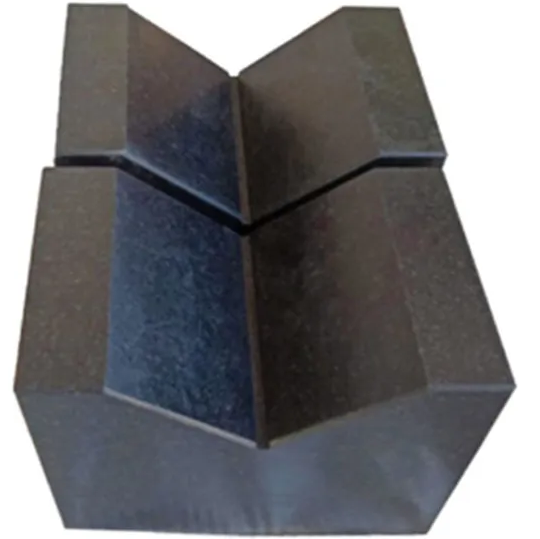
Y Type Strainer Featuring Convenient Drain Valve for Efficient Fluid Filtration
Understanding Y-Type Strainers with Drain Valves In industrial settings, efficient fluid management

water line check valve
Understanding the Importance of Water Line Check Valves Water line check valves play a crucial role
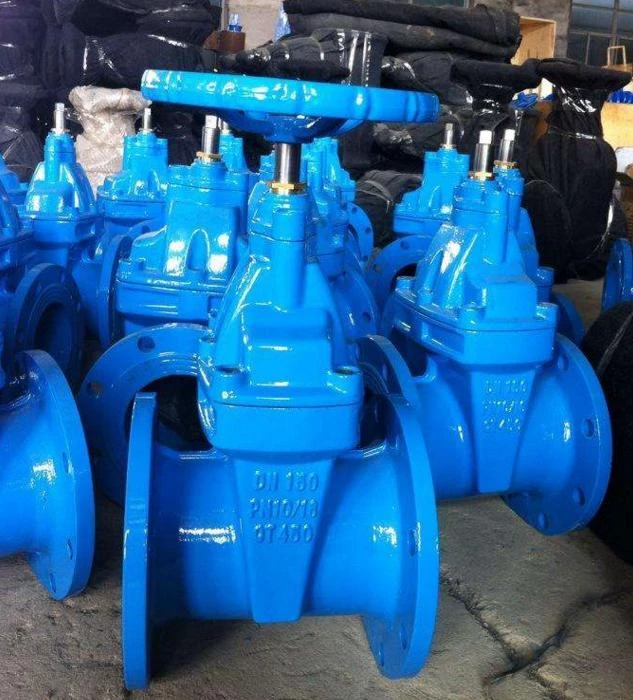
y strainer cast iron
The Benefits and Applications of Y-Strainer in Cast Iron In various industrial applications, one of
 English